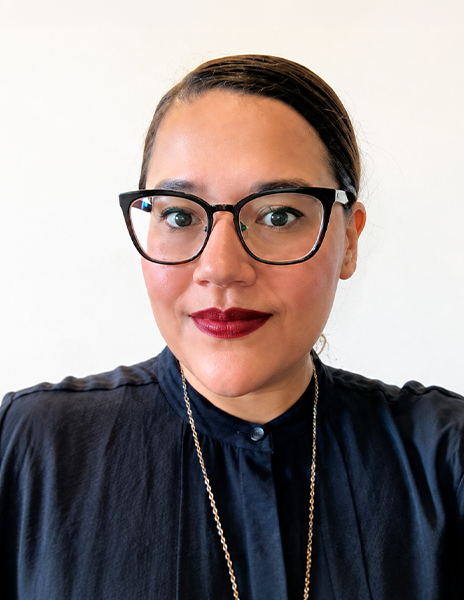
Mirella Beltram
Director of Human Trafficking and Gender Responsive Services at the Connecticut Department of Children and Families (DCF)
Mirella Beltram serves as the Director of Human Trafficking and Gender Responsive Services at the Connecticut Department of Children and Families (DCF). In this role, she leads the agency’s strategic response to human trafficking and promotes trauma-informed, gender-responsive practices across child welfare systems. Mirella oversees the DCF Human Anti-Trafficking Response Team (HART), guiding statewide efforts to identify and support youth impacted by trafficking. She is actively updating internal processes and practices to ensure a more coordinated and compassionate approach to potential trafficking situations. Additionally, she is leading the revision of DCF’s human trafficking training curriculum to be more victim-centered and trauma-informed, reinforcing the department’s commitment to survivor-focused care and systemic equity.
Prior to joining DCF, Mirella spent a decade at Polaris, where she advanced from researcher to senior leadership roles, including Associate Director of Partnerships and Global Partnerships Manager. She led the expansion of the Global Modern Slavery Directory, growing it by 172% to connect nearly 3,000 service providers worldwide, and strengthened the National Human Trafficking Hotline through international case support and survivor-centered protocols. Mirella secured significant funding for global anti-trafficking initiatives, developed multilingual training curricula, and led strategic collaborations with corporations, governments, and NGOs to improve policies and referral systems. Her expertise has shaped programs for organizations like Airbnb, Lyft, and ReloShare, and she has spoken at global forums including USAID’s Evidence2Action and UNODC, advocating for trauma-informed, systemic approaches to combat trafficking.
Mirella holds a Master’s in International Affairs from George Washington University, where she researched human trafficking prevention efforts among refugee populations in Italy, complementing her earlier studies in political science, international relations, and anthropology. Her professional mission is rooted in building coordinated, compassionate, and effective responses to human trafficking worldwide.
Workshop
Sessions
Supporting Migrant Families and Understanding Vulnerabilities to Human Trafficking
Supporting Migrant Families & Understanding Vulnerabilities to Human Trafficking is a practical, culturally responsive training designed for service provider professionals who engage with migrant children, caregivers, and families. This session strengthens participants’ ability to recognize migration‑related trauma, identify risk factors for exploitation and trafficking, and use trauma‑informed, culturally grounded communication strategies.
Participants will learn how migration journeys, debt, coercion, cultural norms, and fear of immigration consequences shape safety, behavior, and help‑seeking. The training includes guided inquiry scripts, reassurance techniques (“We ask this of all families”), and realistic role‑play scenarios involving caregivers, youth, and families who may be experiencing pressure, exploitation, or confusion about their rights.